
A Look at The Row’s Essential Handbag Styles: Breaking Down the Label’s Essential Forms
In modern fashion, The Row holds a distinctive position. The label was founded by Mary-Kate and Ashley Olsen in 2006, and in the nearly two decades since, it has cultivated a reputation anchored in restraint, not on logos or seasonal noise. You won’t find a monogram canvas, overt branding, or conspicuous hardware clamoring for notice. Instead, it is proportion, leather quality, and carefully rewarded construction that The Row bags lean on. Rather than viewing the collection as an undifferentiated pile of “luxury minimalism,” anyone seeking to grasp why these pieces inspire such loyalty — and such high resale value — would do well to look at the core silhouettes that shape the house.
Dissecting the silhouettes that matter is the aim of this breakdown, which also clarifies what sets apart a truly outstanding piece from a simply expensive one, while offering hands-on guidance on where to shop if you’re hunting for a deal, covering how a row sale really tends to play out in practice.
The Row’s own Bag-Making Outlook: The Reason It Breaks the Mold
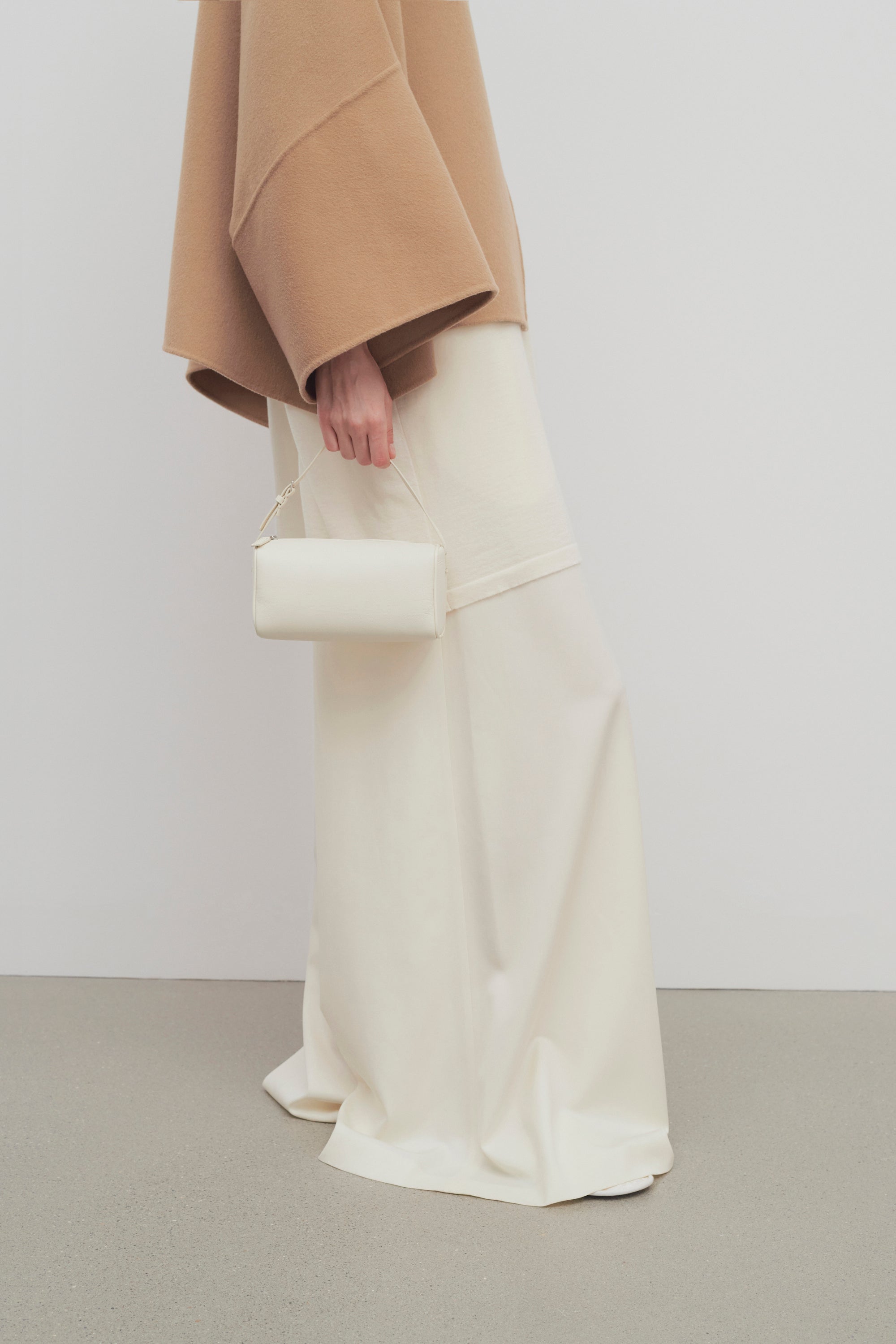
The majority of premium brands establish instant familiarity through repeated motifs — a signature hardware piece, a stitched quilting motif, a monogram. The Row moves in the other direction entirely. The brand’s design language leans on soft, unstructured silhouettes, muted tonal palettes (think taupe, ecru, black, and various browns), and leathers so buttery they need almost no embellishment to justify their price. This is by design. Mary-Kane Olsen and Ashley Olsen have spoken about wanting garments and accessories to function as quiet luxury rather than status signaling.
The outcome is a catalogue of the row’s bag designs that come across in photos virtually indistinguishably to someone unfamiliar with the brand but feel worlds apart in hand. A first-time buyer often undervalues The Row until they run their hands over the leather or pick up on how a bag holds its shape without rigid interior support. That tactile difference is central the row fashion to grasping the brand’s pricing, which typically falls somewhere between $2,000 and $6,900 based on hardware finish, leather type, and size.
The Margaux Bag: The Label’s Signature Tote
The Margaux stands as the standout piece that carried The Row beyond niche fashion circles for an audience beyond the fashion-industry set. Since its early 2010s debut, this the row tote bag has become something of a cult object, adopted by models, stylists, and editors alike wanting a bag that appeared costly without coming off as flashy, a status it held well into the mid-2020s. With sizing commonly referenced as Margaux 10, 12, 15, and 17 — the figure loosely reflecting width in inches — the Margaux spans a range of sizes, giving buyers everything from compact everyday carry to a genuine work tote able to hold a laptop and documents.
The shape on its own is understated: an open-top tote with dramatic slouch, minimal hardware, and rolled handles that sit comfortably on the shoulder. Leather options have included smooth calfskin and grained finishes, with colourways rotating seasonally but rarely straying far from neutral territory. People frequently ask where to buy The Row Margaux bag, and the honest answer is that availability is inconsistent — the brand deliberately limits distribution, which is part of why resale interest stays strong.
Sofia, Wander, and Other Structured Silhouettes
Aside from the Margaux, The Row’s lineup features several structured and semi-structured bags meant for distinct uses. The Sofia bag delivers a distinctly structured top-handle shape, drawing in buyers who want a shape nearer to a briefcase form instead of a slouchy tote. The Wander bag, meanwhile, has built its own following as a crossbody option — smaller, more casual, and priced more accessibly than the brand’s larger totes, often making it a common entry point for first-time buyers.
There’s also the Ascot, a boxier top-handle bag with a noticeably vintage-leaning silhouette, alongside various clutch and pouch options that show up less predictably depending on the season. Every one of these speaks to a distinct use case: office wear via the Sofia, daily errands via the Wander, the Ascot for evening or more formal settings. Understanding this range matters because The Row is frequently boiled down in conversation to “the tote brand,” when in reality the brand turns out a quite varied set of shapes spanning different price tiers and purposes.
What’s Behind the Price: Materials and Construction
A key driver behind where the brand’s pricing sits is its leather sourcing practices. The house has used Italian-tanned leathers extensively, and the finishing technique on pieces such as the Margaux relies on minimal stitching lines specifically to create its loose, unstructured hang. Because sparser seams usually lead to more leather waste during production, the cost stays high even though the aesthetic reads as simple.
Hardware, where it exists, tends to be understated — small clasps, discreet zippers, subtle stamped logos rather than embossed branding. Such consistency is consistent across the row bag lineup and carries over into smaller leather goods such as card holders and pouches. Buyers evaluating a purchase should look closely at stitching consistency, how the leather ages (most pieces develop a natural patina over time), and whether the bag’s slouch returns to shape after use, since these are the details that separate authentic craftsmanship from imitation pieces flooding secondary markets.
A Comparison of the Core Silhouettes
The table below breaks down the key distinctions between four of the most frequently searched the row bags, based on typical size range, use case, and general price positioning as of 2026.
| Silhouette | Typical Use | Span of Sizes | Approximate Price Band |
|---|---|---|---|
| Margaux | An daily tote also suited to work use | Starting at Margaux 10 up to Margaux 17 | Moderate to premium (varies based on size and leather type) |
| Sofia | Structured office carry | Chiefly one core size, plus occasional alternative | High |
| Wander | Crossbody, casual daily use | A small-scale build centered on one size offering | An gentler cost relative to the totes |
| Ascot | Meant for after-dark and formal settings | Petite to mid-sized | Premium |
A buyer who’s evaluating the standout Row bag styles will find a useful reference structure here before committing to a purchase — though it doesn’t cover everything, since The Row rotates limited-run pieces and rotating seasonal palettes on an ongoing basis.
How a Row Markdown Event Really Operates: Uncovering Bargains
By design, The Row refrains from aggressive discounting. Unlike mass-market luxury brands that run frequent promotional cycles, The Row’s markdowns tend to appear at the tail end of a season, often through authorized multi-brand retailers rather than the brand’s own channels. A row sale is more likely to surface at established luxury e-commerce platforms or department stores carrying the line, rather than through flash sales or brand newsletters.
Patience matters here. As output is kept deliberately limited, marked-down inventory vanishes fast, and in-demand sizes such as the Margaux 12 typically sell through within days of being marked down. People earnest about getting a bargain should establish alerts with merchants known to offer The Row fashion lines, look through seasonal clearance pages around January and July, and remain poised to react swiftly once stock surfaces. Pre-owned marketplaces are yet another path, though verifying authenticity turns essential given how often fake “Row-style” bags make the rounds.
Before You Buy, What to Consider
Rather than following trends, choosing between these row-style bags really depends on how someone actually lives, given that these pieces are built to remain useful for years beyond a single season. Someone traveling to work daily with a computer in tow will find much greater everyday value in a Margaux 15 or 17 than in a compact Wander. A person attending frequent evening events might favor the Ascot’s tailored form over the Margaux’s softer drape. It’s worth asking a few practical questions before committing:
- For what specific day-to-day purposes would the item get carried, and how often?
- Is routine care practical for you, or does the hide’s finish fit a fuss-free lifestyle better?
- Considering your frame and usual day-to-day load, would the size well-matched?
- Would a smaller acquisition, like a small pouch or cardholder, be more sensible as an entry point into the label?
Such questions carry more weight with The Row than with logo-driven brands, since the allure here is entirely functional and textural rather than symbolic. A bag that doesn’t suit daily habits will simply sit unused, regardless of how beautifully it’s constructed.
Concluding Reflections on Assembling a The Row Collection
Getting familiar with The Row’s core silhouettes — the Margaux, Sofia, Wander, and Ascot — offers buyers a far sharper lens than simply browsing catalog pages haphazardly.
Every silhouette answers a separate purpose, and recognizing that difference helps rationalize the investment involved.
Select Margaux sizes have held value better than bags from much noisier, more aggressively promoted brands, a direct result of the brand’s refusal to chase trends, which has kept secondhand worth robust through 2026.
For newcomers to the brand, the smartest approach is to clarify the everyday need the bag has to fulfill, look into available inventory through reputable vendors, and keep an eye out for periodic price drops instead of counting on regular price cuts. The Row rewards patience and precision — much like the bags themselves.